Neurodiversités
2021-2022 | Lucas Fritz | Dicen (Université Paris Nanterre, France)
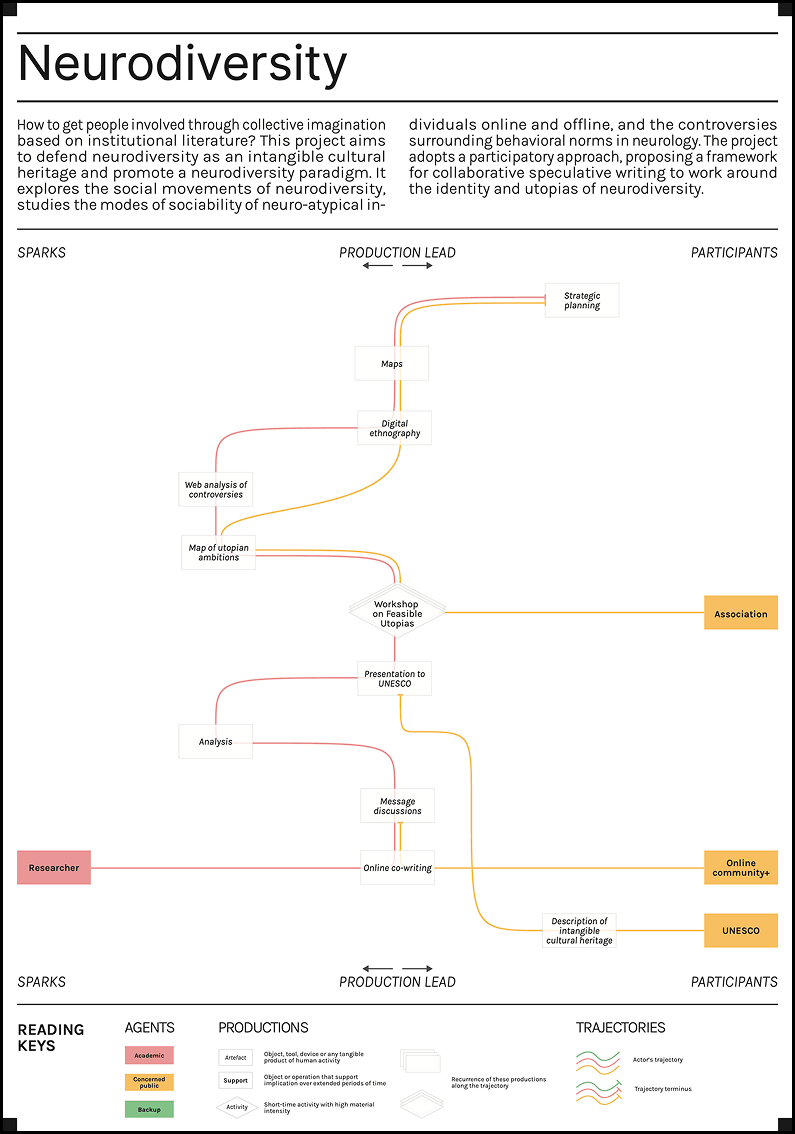
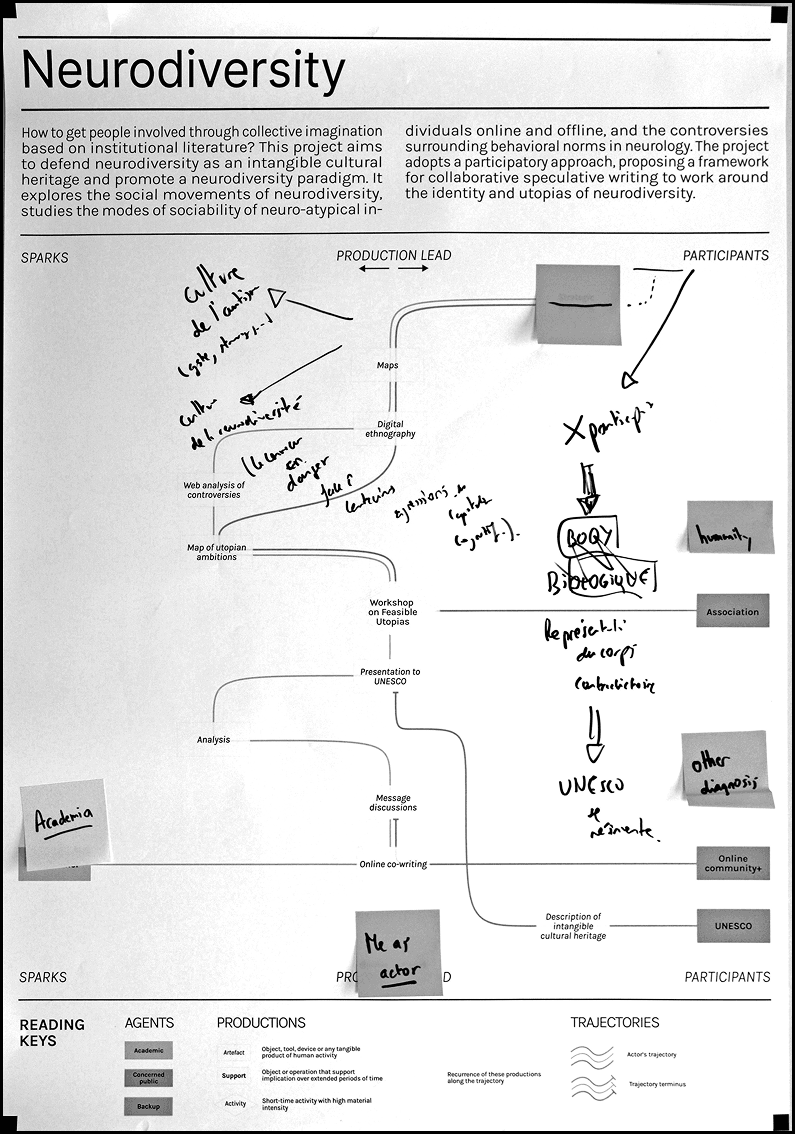
Neurodiversity social movements fight against the medicalisation of neurocognitive particularities (autism in particular) and for the recognition of a different culture of neurocognition and communication. Yet how can one define a neurodivergent culture of communication? To what extent does this identification run the risk of normalising it? This project explores neurodiversity not only as a neurocognitive condition but also as a cultural paradigm and argues for its recognition as an intangible cultural heritage. Drawing on disability studies and feminist theory, the research challenges traditional notions of cultural heritage and questions the accessibility of cultural institutions for autistic people. The project began with online ethnography, including participation in neurodivergent communities on Reddit and self-advocacy groups, and collected responses based on UNESCO’s cultural criteria. Initial findings revealed not only community cohesion, but also symbolic systems, rituals (such as the annual “Autscape” conference), and a growing political imagination. Unexpectedly, this fictional-sounding initiative attracted UNESCO’s attention, leading to ethnographic workshops and exchanges that further challenged established definitions of culture, communication, and territory. The research explores how neurodiversity functions as a culture despite not conforming to conventional epistemologies, in particular through its emphasis on internal regulation rather than social interaction. Collaborations with UNESCO and academic partners have led to the development of collaborative workshops exploring what an accessible world for autistic people might look like. The workshops go beyond the conception of accessibility as a technical issue. Rather than fitting neurodiverse bodies into existing systems, the project seeks to redesign institutions around the (neuro-)diverse ways in which human communities communicate. Beyond neurodiversity social movements, this project also aims to study the role of accessibility and ableist norms regarding the “normal brain” in the conception of cultural participatory projects and shed light on the connection between activism, cultural participation, and neurodiversity.


← Grab me →